
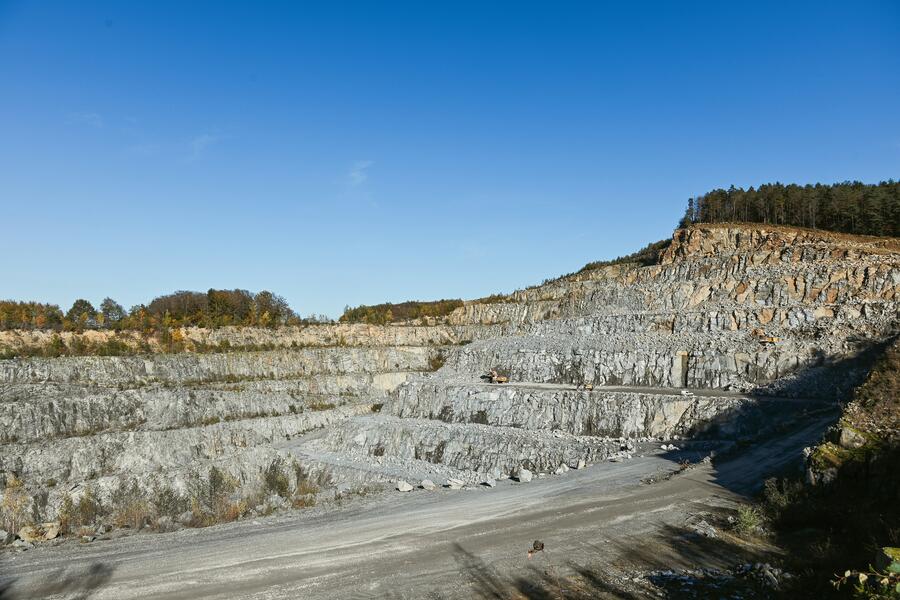
Obtaining planning permission for a new quarry, or for a significant extension to an existing one, is one of the most complex challenges in the UK planning system. The process involves multiple regulatory authorities, extensive environmental assessment, and sustained professional engagement over what can be a period of several years. This guide provides an overview of the key stages in the quarry planning process in England.
Understanding Mineral Planning Authorities
The first thing to understand about quarry planning is that it is handled by a distinct tier of local government — the Mineral Planning Authority (MPA). In most of England, the MPA is the county council rather than the district or borough council that handles ordinary planning applications. National Parks also act as their own MPAs within their boundaries.
This distinction matters because county councils often have dedicated minerals planning officers with specialist expertise. Building a productive professional relationship with the relevant MPA and its officers is one of the most important factors in a successful quarry planning application.
Step 1: Initial Feasibility and Site Assessment
Before engaging with the planning system, a thorough assessment of the proposed quarry site is essential. This includes:
- Geological investigation to confirm the presence, extent, quality, and commercial viability of the mineral resource
- Identification of planning constraints (Green Belt, AONB, SSSI, flood risk, proximity to settlements)
- Assessment of whether the mineral type is allocated or safeguarded in the Minerals Local Plan
- Preliminary assessment of environmental sensitivities and likely EIA requirements
- Transport route assessment
- Consideration of the market for the mineral and the realistic commercial case for extraction
This feasibility work should be completed before significant resources are invested in the planning process. A negative feasibility outcome at this stage — identifying a fatal planning or environmental constraint, for example — can save very substantial costs later.
Step 2: Pre-Application Engagement
For any significant mineral planning application, pre-application engagement with the MPA is strongly advisable — and often formally available through a paid pre-application service. Pre-application discussions allow the applicant to:
- Understand the MPA's initial view of the planning policy context
- Agree the scope of the Environmental Impact Assessment
- Identify key issues and potential objectors
- Receive early feedback on restoration proposals
- Understand the likely timescale for determination
Pre-application discussions should also be held with key statutory consultees including Natural England, the Environment Agency, Historic England, and the relevant highways authority, to understand their likely concerns and requirements before the application is submitted.
Step 3: Environmental Impact Assessment
Almost all new quarry planning applications — and many significant extensions — require an Environmental Impact Assessment under the Town and Country Planning (Environmental Impact Assessment) Regulations 2017. The EIA process begins with a formal scoping request to the MPA, asking them to agree the scope of topics to be assessed and the methodology to be used.
The environmental studies required for a quarry EIA typically include:
- Ecology and biodiversity — protected species surveys (which may require surveys across multiple seasons), Phase 1 and Phase 2 habitat surveys, assessment of effects on statutory and non-statutory designated sites
- Landscape and visual impact — assessment of the quarry's visual effects on the surrounding landscape, particularly where it falls within or near an AONB or National Park
- Hydrogeology and hydrology — assessment of the effects of quarrying on groundwater and surface water, including any abstractions, watercourses, or designated wetland habitats
- Transport — traffic assessment including routing, highway capacity, and effects on local roads and junctions
- Noise — assessment of noise levels at nearby residential receptors during extraction and processing operations
- Dust and air quality — assessment of particulate matter and other emissions from quarrying and vehicle movements
- Cultural heritage — archaeological assessment including desk-based assessment and, where appropriate, trial trenching
Coordinating these studies requires careful project management. Some surveys — particularly bat surveys, great crested newt surveys, and breeding bird surveys — can only be conducted at particular times of year, which can significantly extend the pre-application preparation period.
Step 4: Preparing the Planning Application
The planning application for a new quarry is a substantial document set. In addition to the Environmental Statement, it will typically include:
- Planning application forms and fee
- Planning statement (setting out the policy basis for the application)
- Minerals planning statement (demonstrating need for the mineral)
- Design and access statement
- Non-technical summary of the Environmental Statement
- Site plans, extraction phases, restoration scheme drawings
- Draft planning conditions (in complex cases)
Step 5: Determination and Negotiation
The statutory determination period for a minerals planning application with EIA is 16 weeks, but in practice the determination of major quarry applications often takes significantly longer. During the determination period, the MPA will consult statutory consultees and the public, and the applicant's team will need to respond to representations and engage with the MPA's officers.
Where the application is to be approved, conditions will need to be negotiated. Mineral planning conditions are typically extensive and detailed, covering matters such as working hours, noise and dust limits, ecological monitoring, restoration phasing, and aftercare. A Section 106 agreement may also be required, addressing restoration bonds, financial contributions, and other legal obligations.
Step 6: After Consent — Compliance and Restoration
The grant of planning permission is the beginning, not the end, of the regulatory story. Operators must comply with all planning conditions throughout the operational life of the quarry, and the mineral owner has an interest in ensuring this compliance is maintained. As extraction comes to an end, the restoration scheme must be implemented in accordance with the approved plans and conditions.
How Mineral Management Can Help
Mineral Management provides specialist support at every stage of the quarry planning process, from initial feasibility through to post-consent compliance and restoration. We act for landowners, operators, and developers seeking planning consent for mineral extraction across England, Wales, and Scotland.
If you are considering a quarry planning application, or want advice on your prospects of success, we would be delighted to discuss your project.